Country
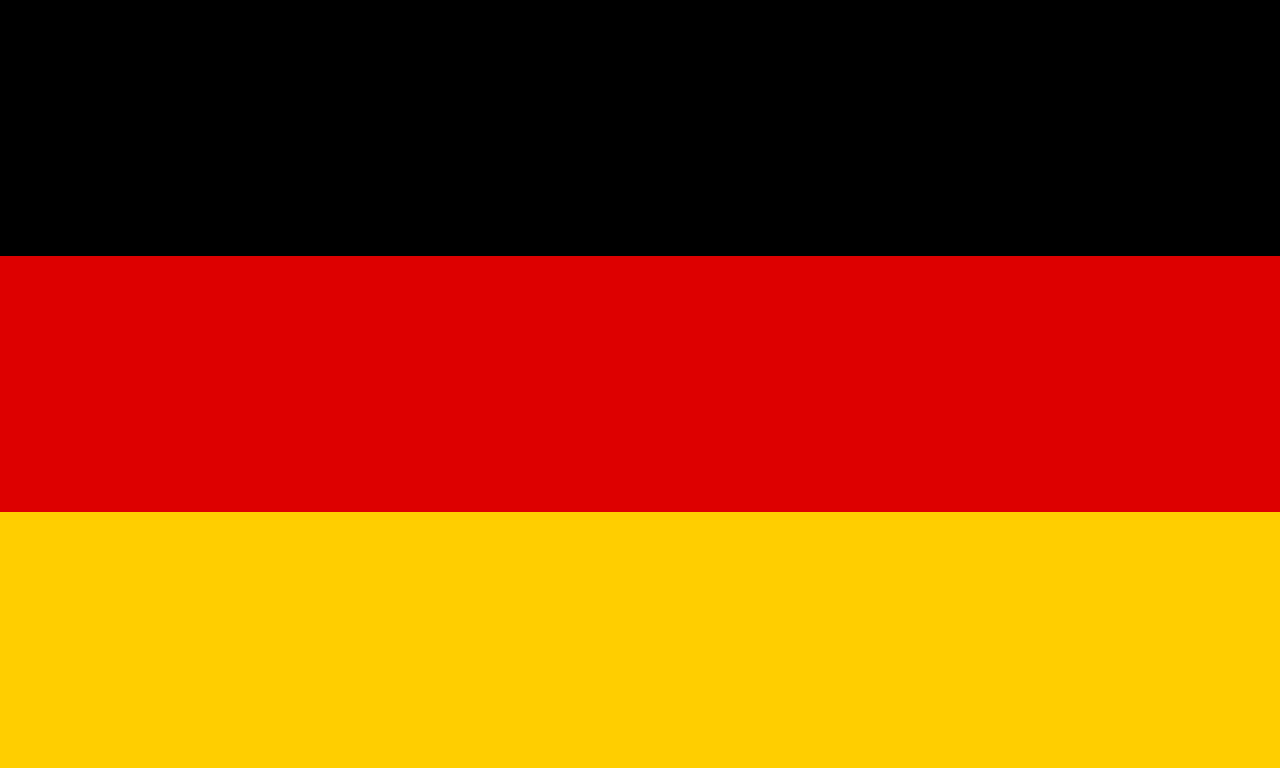
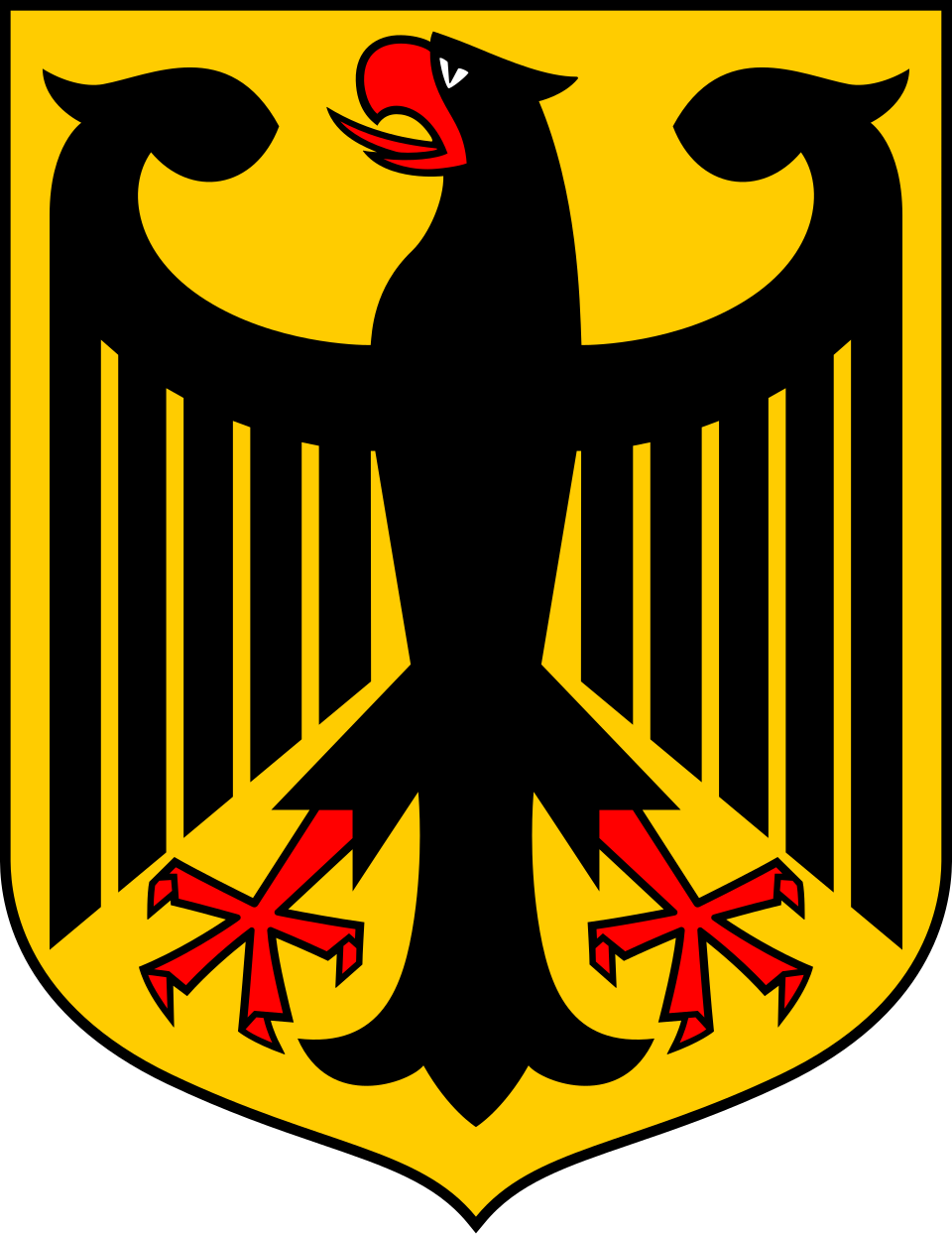
Black, red and gold are the colours of the nineteenth-century movement for unity and freedom: adopted by the German Confederation in 1848, taken up by the Weimar Republic in 1919 and written into the Basic Law in 1949. The federal coat of arms shows the black eagle on a golden-yellow field; Karl-Tobias Schwab drew its form in 1926 for the German Reich, and the Federal Republic adopted it unchanged on 20 January 1950.
Flag
Not available
Coat of Arms
Not available
| Flag | Per fess black, red and gold |
|---|---|
| Arms | Or, an eagle displayed sable, beaked, langued and membered gules |
| Colours | Black, red and gold, since 1848 |
| Eagle | Designed by Karl-Tobias Schwab, 1926 |
| Länder | 16, each with its own arms and flag |
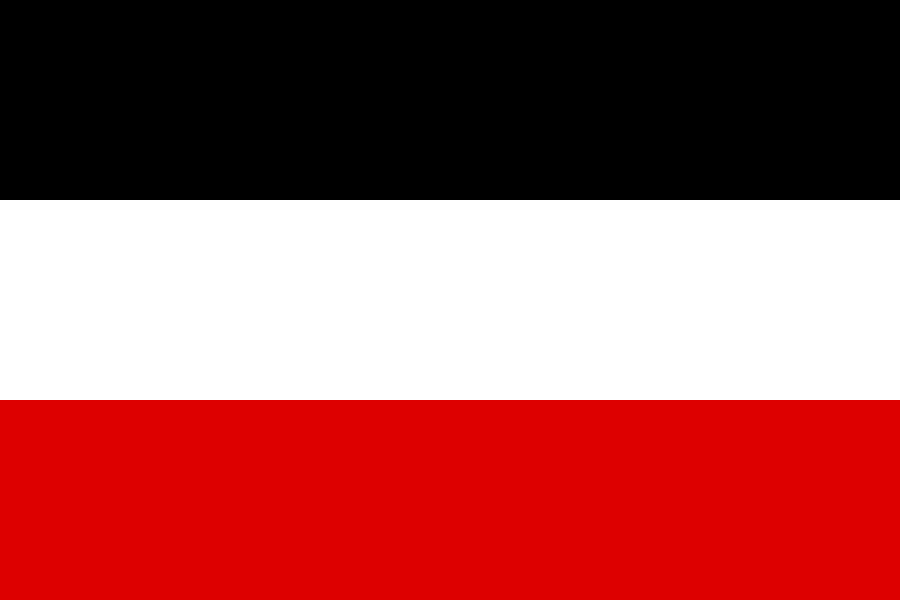
Since the founding of the Empire, two tricolours have taken turns: the black-white-red of the Empire and the black-red-gold of the movement for unity and freedom, taken up by the Weimar Republic and then by the Basic Law. Between them come the flags of the Nazi era and the flag of East Germany. These are its stages, from 1871 to today.
Click the thumbnails to browse the flags.
1871
The tricolour joins two pairs of colours: black and white, the colours of Prussia, and red and white, the colours of the Hanseatic cities. The Hanse itself never had a single flag, but almost all its cities bore white and red in their arms. For King Wilhelm I, the combination also matched his own colours: black and white for Prussia, red and white for the Margraviate of Brandenburg. First flown by the North German Confederation in 1867, the colours became those of the Reich in 1871.
1919
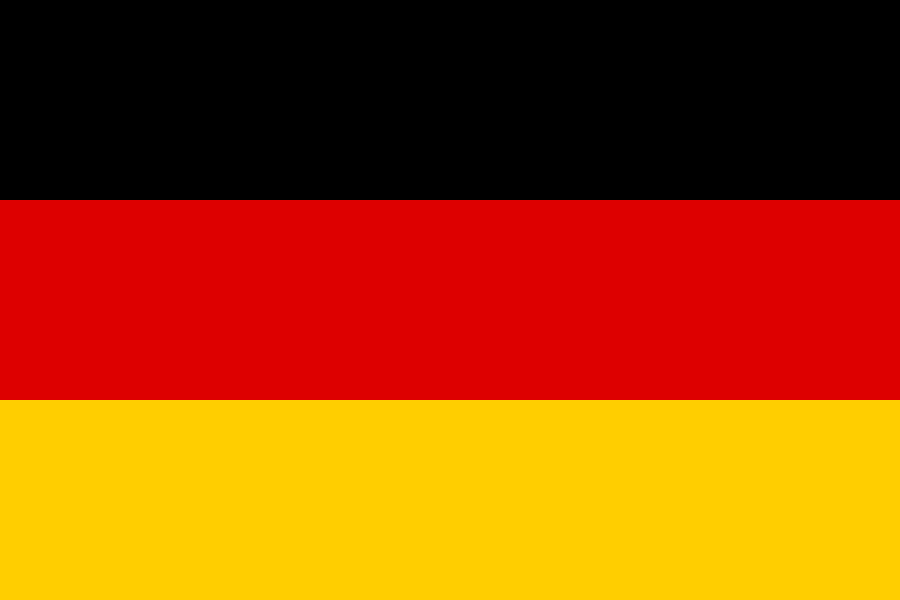
The colours go back to the Wars of Liberation against Napoleon. The volunteers of the Lützow Free Corps arrived in every kind of uniform; to dress them alike, everything was dyed black, with red facings and gold buttons. A saying of the time reads the colours: out of the blackness of servitude, through bloody battles, into the golden light of freedom. That they were also the colours of the old imperial banner, the black eagle with red claws on gold, helped make them popular.
The flag of the Urburschenschaft was still red-black-red, with gold only in the fringes and an oak sprig. At the Hambach Festival of 1832 a black-red-gold flag flew for the first time, inscribed “Deutschlands Wiedergeburt”, Germany’s rebirth. The Weimar Republic made the colours those of the Reich in 1919, at first in a 2:3 ratio; the merchant flag stayed black-white-red, with a black-red-gold canton in the upper corner.
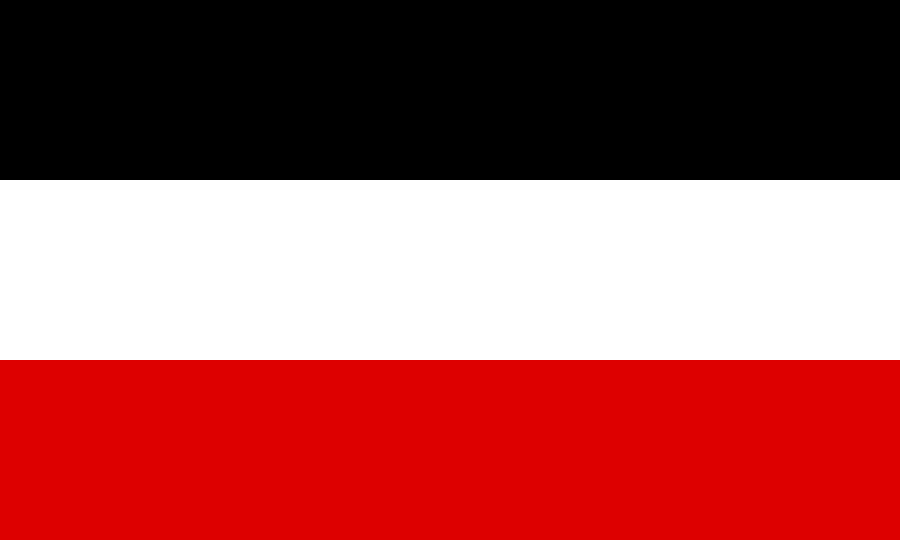
1933
In 1933 the black-white-red tricolour of the Empire returned. It did not fly alone: until 1935 it was hoisted together with the swastika flag of the NSDAP, and black-red-gold disappeared from the symbols of the state.
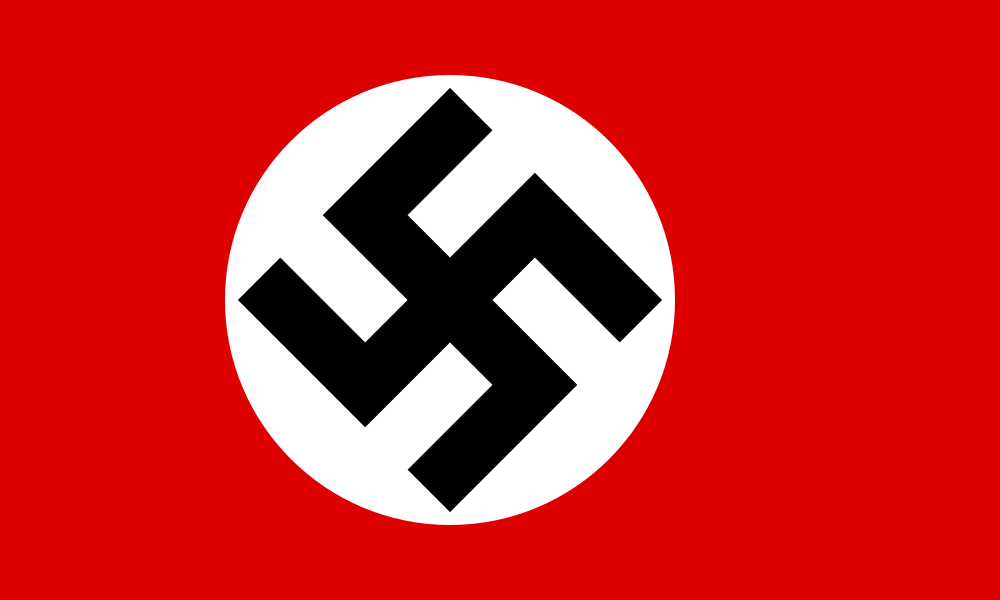
1935
A red field with a white disc and a black swastika, shifted towards the hoist from 1935. The flag had been the party flag of the NSDAP since 1920; its red, white and black recalled the imperial flags. From 1935 to 1945 it was the sole national flag. Today displaying this symbol is a criminal offence in Germany, except, among other cases, for civic education, scholarship and the presentation of history.
1949
In heraldic terms the federal flag is “geteilt zu Schwarz, Rot und Gold”, per fess of black, red and gold: three equal horizontal stripes, black at the top, red in the middle, gold at the bottom, in a 3:5 ratio. With the Basic Law of 1949 the colours of 1848 and Weimar returned, and East Germany chose the same flag that year. Federal authorities fly a service flag bearing the federal shield, set slightly towards the hoist. Since 1990 the federal flag has flown over the whole of Germany.
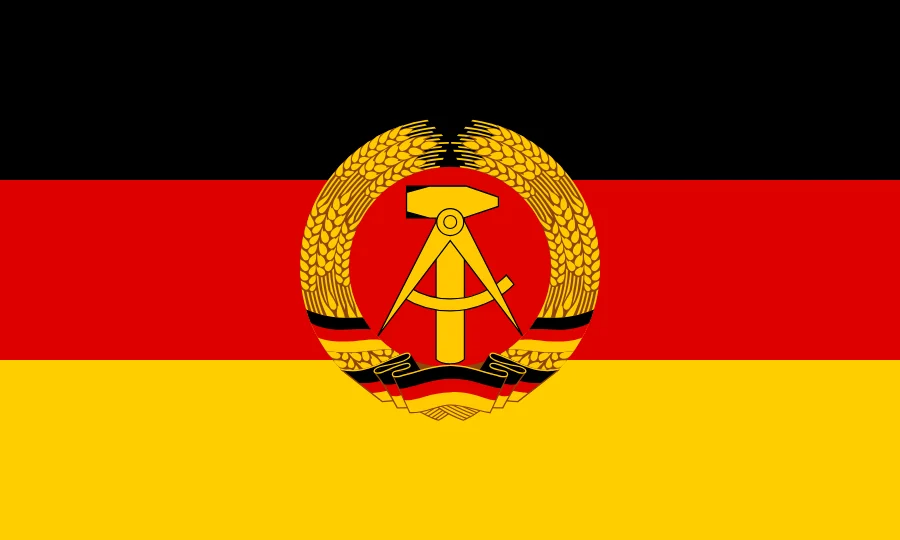
1959
For ten years both German states flew the same flag. In 1959 East Germany placed its state emblem in the centre: hammer and compass in a wreath of wheat, wound with a black-red-gold ribbon. Its flag now differed from the federal flag, until reunification in 1990. In spring 1990 a draft constitution of the Round Table still proposed a flag in which the emblem was replaced by the symbol “Schwerter zu Pflugscharen”, swords to ploughshares.
The black eagle on a gold field is the oldest element of German state symbolism: it goes back to the imperial eagle of the Middle Ages. Since 1871 every form of state has redrawn it, and East Germany replaced it with an emblem of its own. These are its stages, from the founding of the Empire to today.
Click the thumbnails to browse the coats of arms.
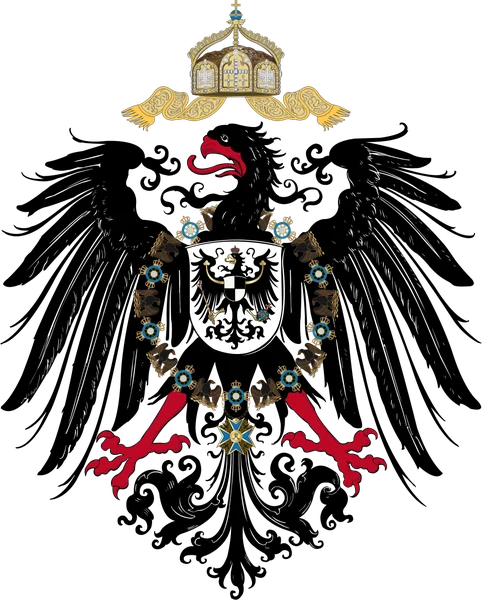
1871
An eagle displayed sable, armed and langued gules, on its breast the shield of Prussia — argent, an eagle displayed sable — with the inescutcheon of Hohenzollern, quarterly argent and sable, surrounded by the collar of the Order of the Black Eagle; above the eagle the crown of the Empire.
The Empire returned to the single-headed eagle of the medieval Reich, drawn as a comparatively realistic black eagle with red beak, tongue and claws. The double-headed eagle was out of the question, because Austria-Hungary bore it. On its breast the eagle carries the arms of Prussia, and within them the ancestral arms of the Hohenzollern, the Emperor’s house. The crown above recalls the medieval Imperial Crown, but differs from it by an additional arch. The image shows the eagle in the form it received in 1888 and kept until 1918.
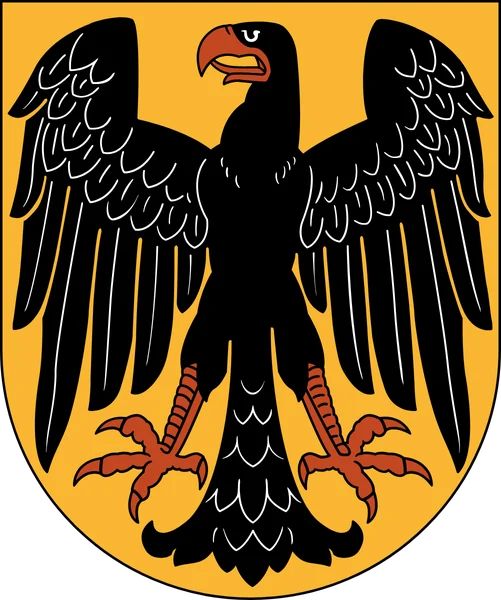
1919
Or, an eagle displayed sable, beaked, langued and membered gules.
The Republic kept the eagle but removed everything that recalled the monarchy: the crown, the wild men as supporters, the collar of the order, the shield of Prussia and the inescutcheon of Hohenzollern. What remained is the medieval image: the single-headed black eagle with red claws on a gold field. The heraldist Emil Doepler drew it with “the wings open but with closed feathering”. After 1928 his eagle remained in use as the Reich’s shield, for instance on the pennants of official cars.
1928
Or, an eagle displayed sable, beaked, langued and membered gules.
The same blazon, a new drawing: Karl-Tobias Schwab designed the eagle in 1926 in a pared-down, almost sign-like form, in the spirit of the Deutscher Werkbund and the New Objectivity. At the 1928 Olympic Games the German athletes already wore it, and from 1928 it was the arms of the Reich. It is the eagle of today’s federal coat of arms.

1935
An eagle, its head turned to the right, holding in its talons an oak wreath with a swastika.
No longer a coat of arms but a national emblem: in 1935 the Reich adopted the eagle of the NSDAP, modelled on a Roman legionary eagle. The design of 1936 told the two apart: the Reich eagle looks to the right, the party eagle to the left. The eagle was often shown in a monumental, martial style, in deliberate contrast to the plain republican form. Today displaying this symbol is a criminal offence in Germany, except, among other cases, for civic education, scholarship and the presentation of history.
1950
Or, an eagle displayed sable, beaked, langued and membered gules.
In 1950 the Federal Republic adopted Karl-Tobias Schwab’s Weimar arms unchanged, deliberately linking itself to the first German republic. The gold of the shield refers to the sacred character of the imperial office from which the eagle comes; the black of the eagle follows the heraldic aim of strong contrast, easy to recognise from afar. Since 1990 it has been the coat of arms of the whole of Germany.

GDR 1950
A hammer between two ears of wheat.
East Germany gave up the eagle, which it had briefly considered too, looking to the heraldic left, and chose an emblem without a shield. The designer Fritz Behrendt set a hammer in a wreath of wheat: workers and farmers, the self-image of a workers’ and peasants’ state. Prime Minister Otto Grotewohl felt that it did not capture the essence of the GDR.
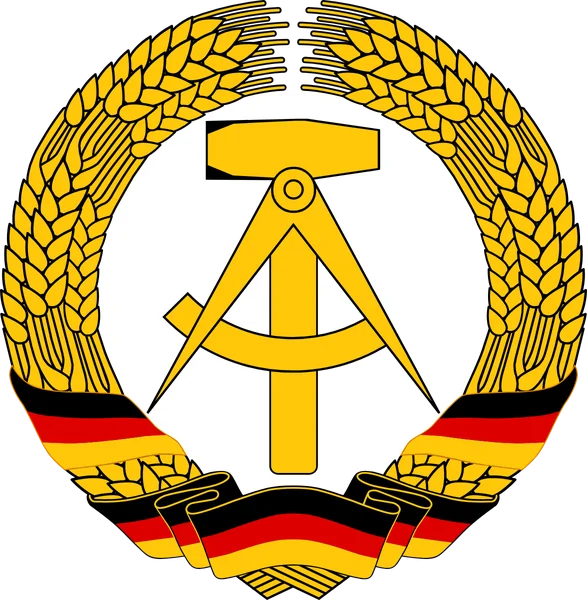
GDR 1953
A hammer and a compass in a wreath of wheat, wound with ribbons of black, red and gold.
Heinz Behling drew the ears of wheat in more detail, wound them with ribbons in the colours of the national flag and added a compass to the hammer: next to the workers and farmers now stood the intelligentsia. The seal of 1953 did not yet fix the colours, and depictions varied.
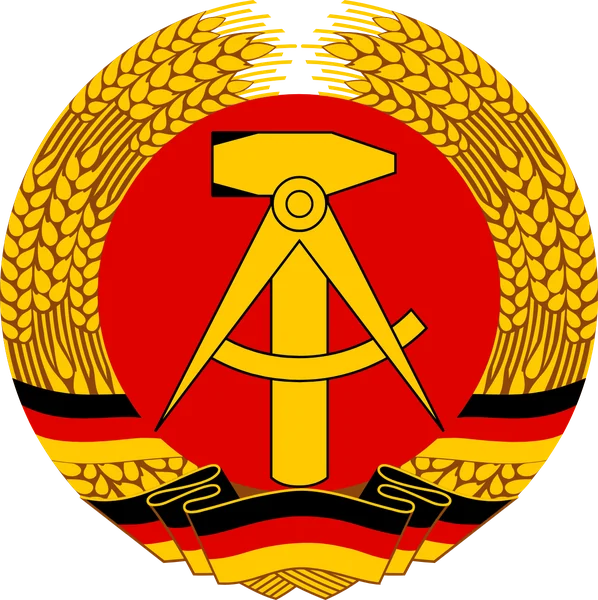
GDR 1955
Gules, a hammer and a compass Or, within a wreath of wheat Or, bound at the base with a ribbon of black, red and gold.
The state emblem of 1955 fixed the colours: a red field behind the hammer and compass, all in gold. The hammer stands for the working class, the compass for the intelligentsia, the wreath of wheat for the farmers. The ribbon forms five loops, standing for the five Länder.
Bundeswappen — as described on 20 January 1950.
Or, an eagle displayed sable, beaked, langued and membered gules.
The official description of 1950 says the same in words: a golden-yellow field with “the single-headed black eagle […], the head turned to the right, the wings open but with closed feathering, beak, tongue and claws in red”. Right is meant heraldically, from the bearer’s point of view: seen from the front, the eagle looks to the left. The description sets nothing more, since “the artistic design is reserved for each particular purpose”. That is why the eagle appears in many forms, round on the German euro coins, for example.
The gold of the shield refers to the sacred character of the imperial office: the eagle was the sign of the Holy Roman Emperors, who linked it to the legionary eagle of Rome. The black of the eagle follows the heraldic aim of strong contrast, so that the arms can be recognised from afar. Only the beak, tongue and claws are red.
On the golden shield it is the federal coat of arms, the Bundeswappen; without the shield the bird is the federal eagle, the Bundesadler, and the tips of its feathers then point outwards. The Bundesschild is a round-based shield with a different drawing of the eagle, borne by federal authorities and the Bundeswehr on service flags and colours.
The best-known form of the eagle hung as a wall relief in the plenary hall of the Bundestag in Bonn: the eagle that Ludwig Gies made in 1953, soon nicknamed the “Fette Henne”, the fat hen, for its plump shape. Its plumage was deliberately asymmetrical and gappy, to remind the members of parliament of their own imperfection and to urge modesty. A replica hangs today in the Reichstag building in Berlin; the architect Norman Foster redesigned its back.
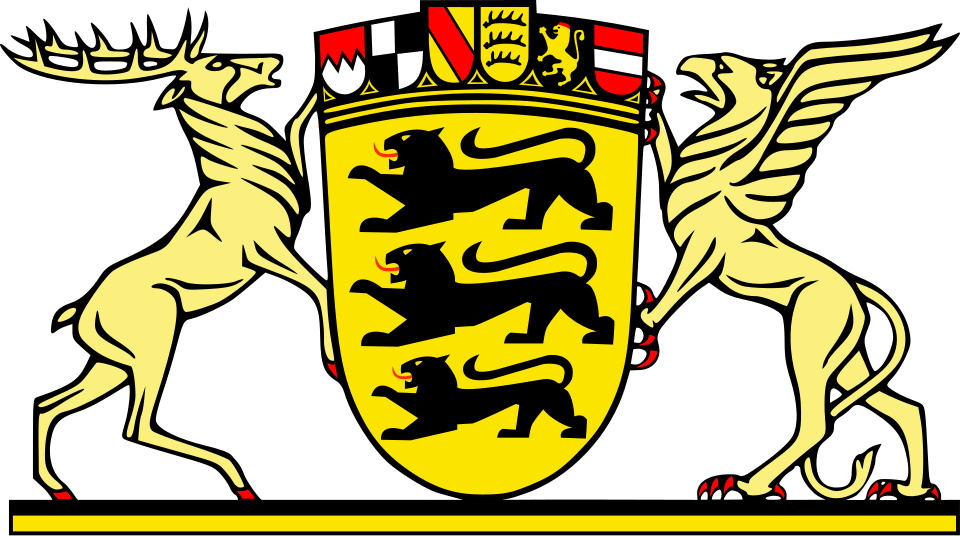
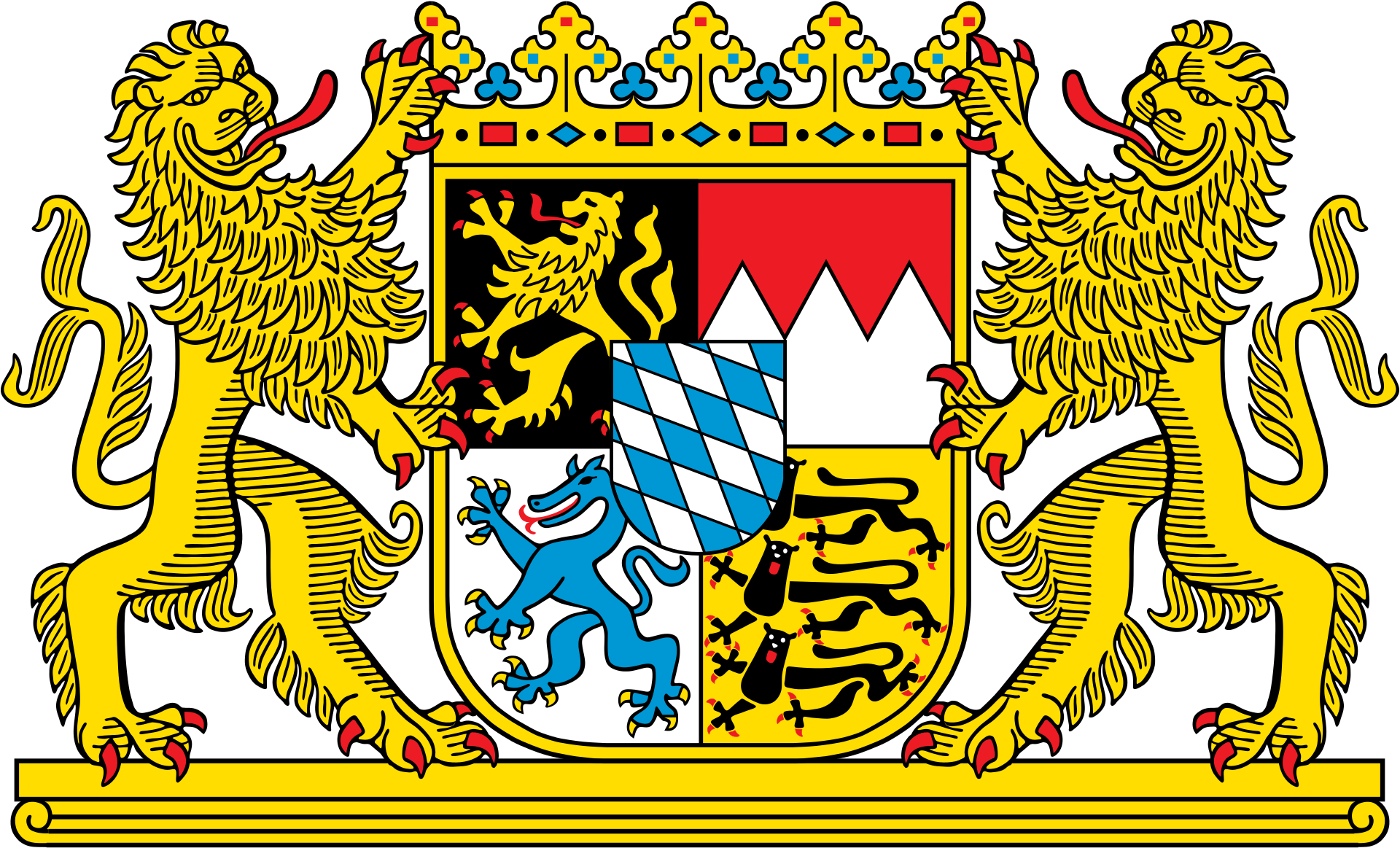
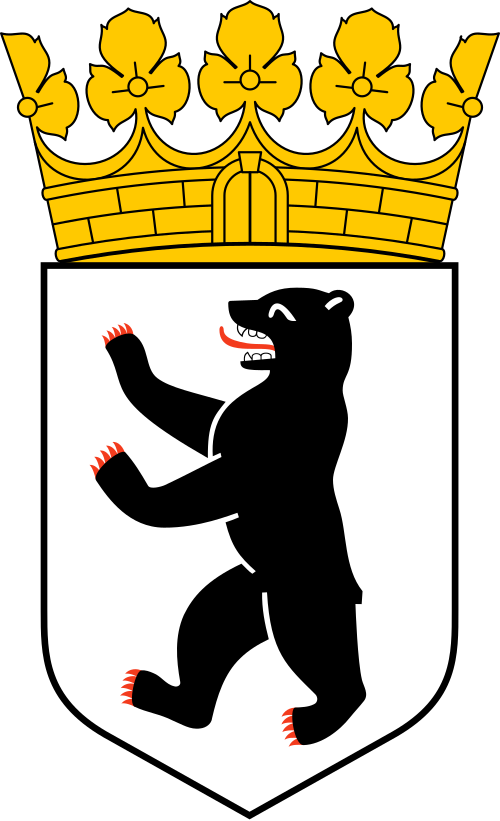
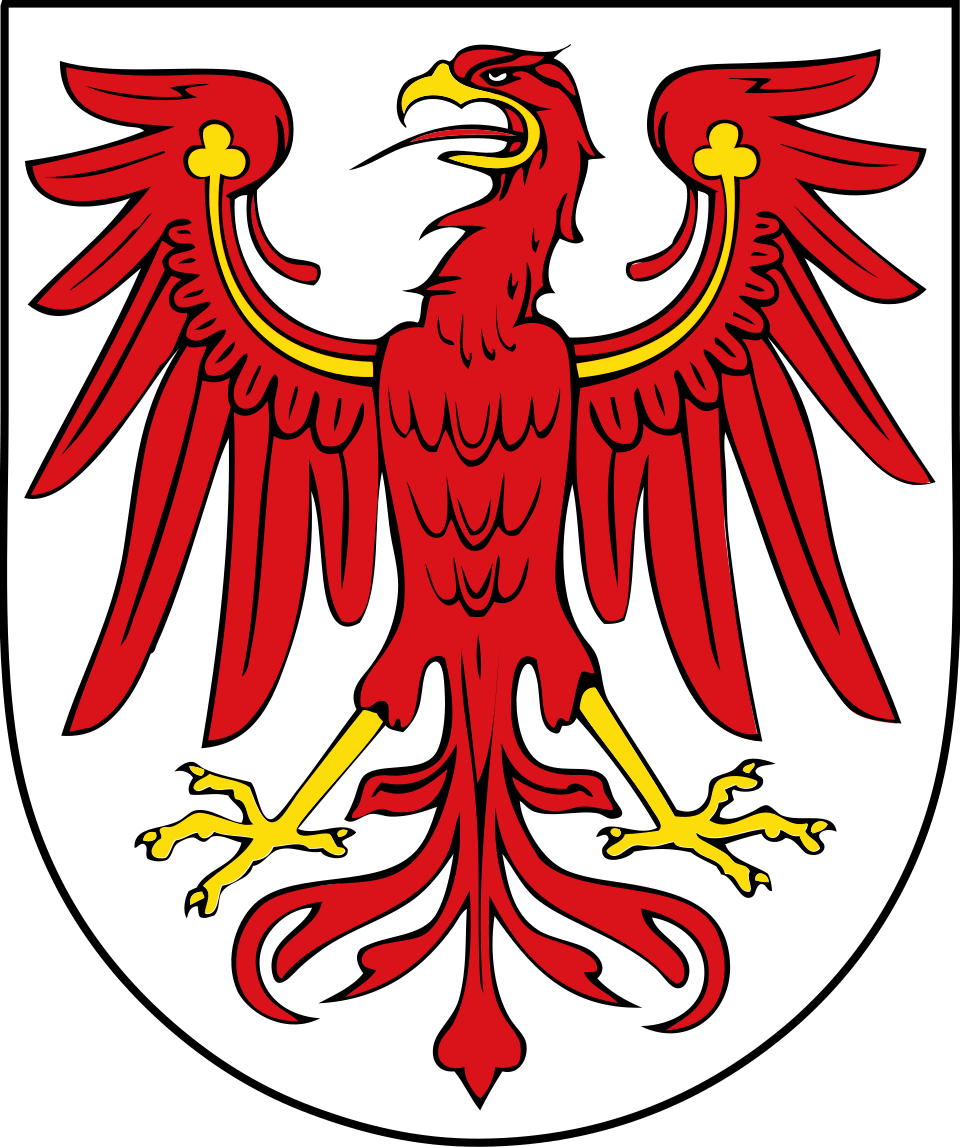
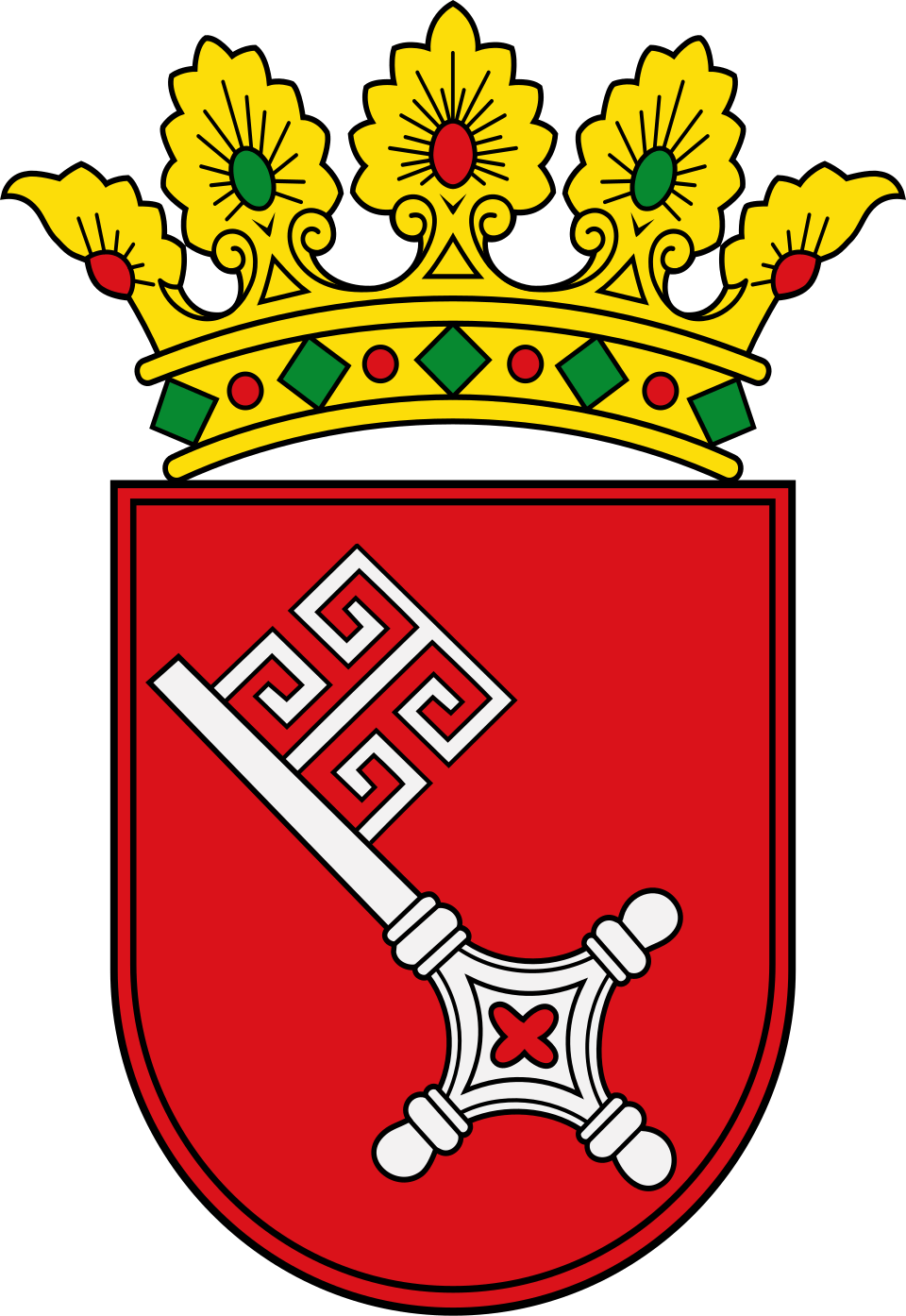
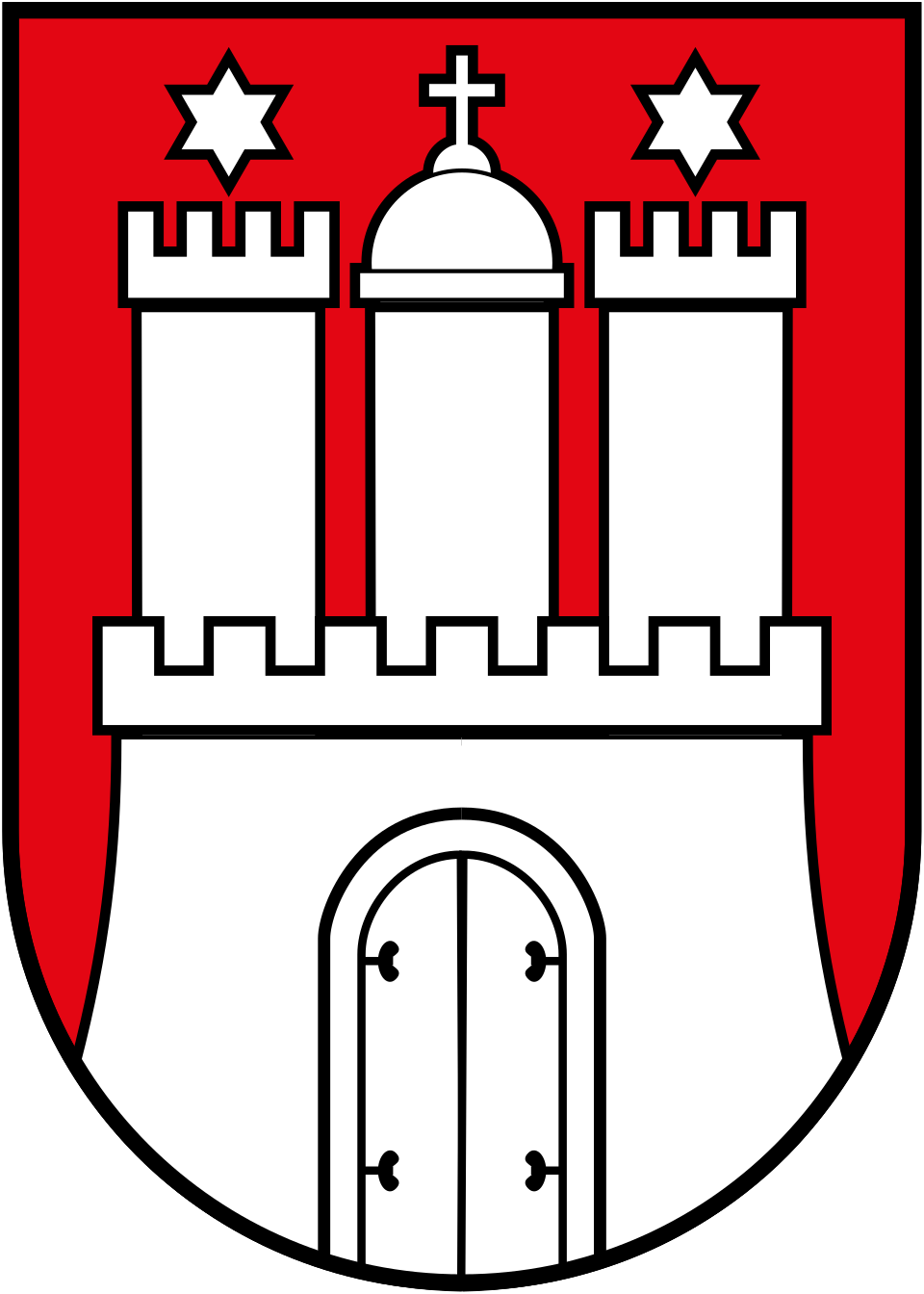
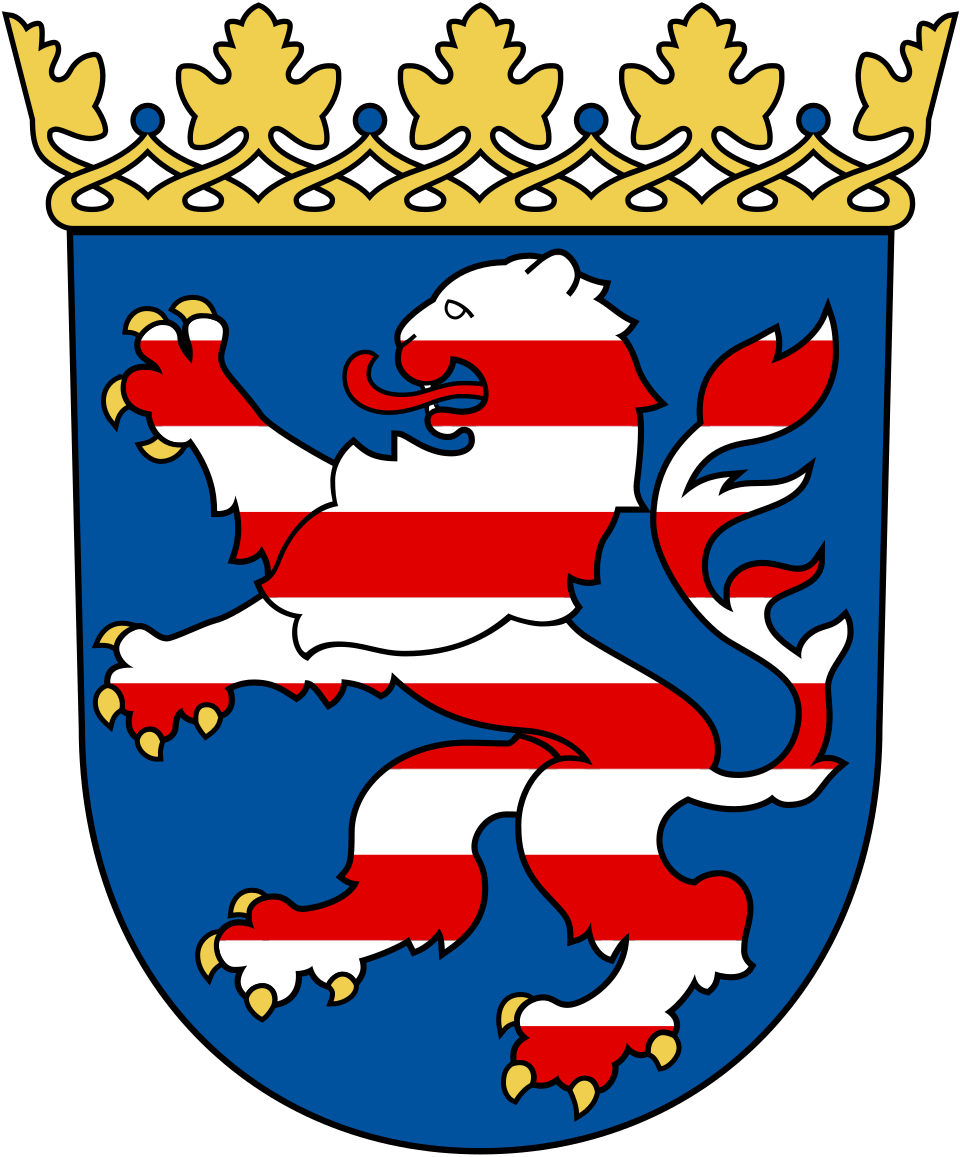
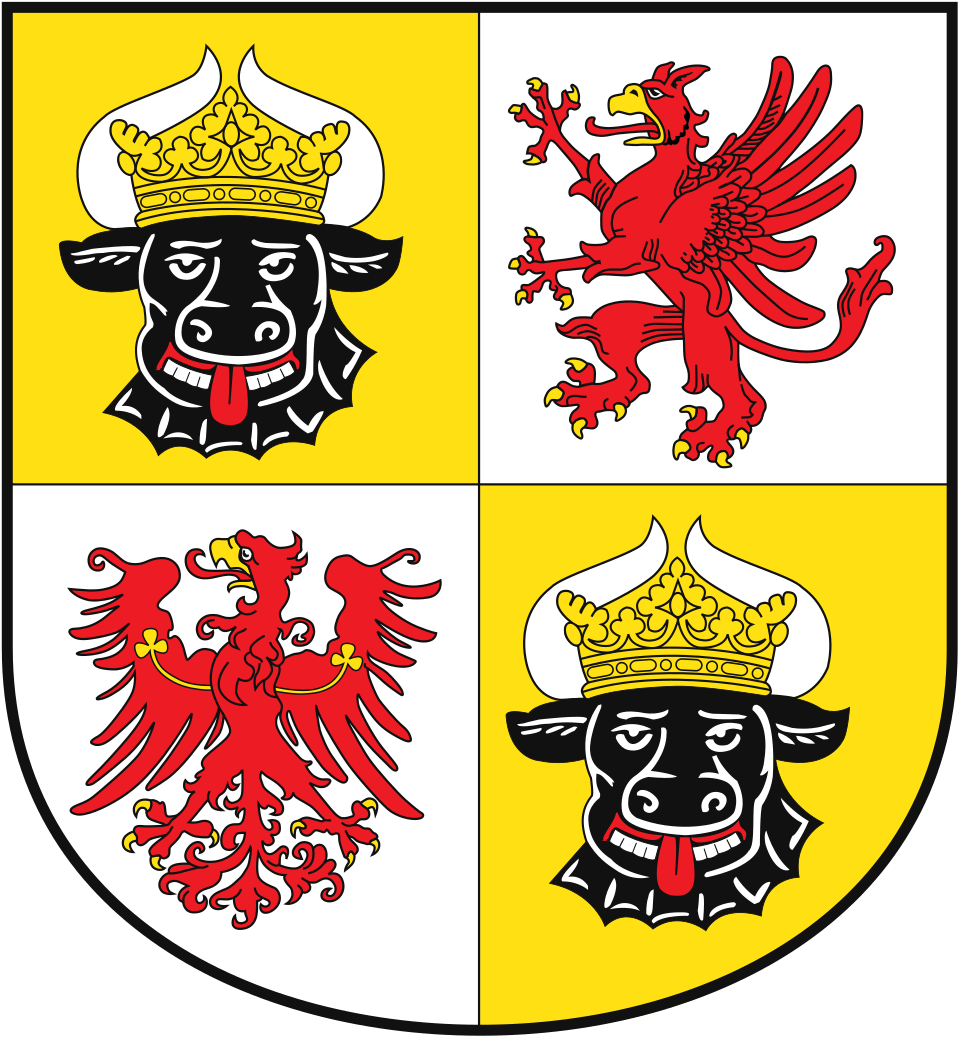
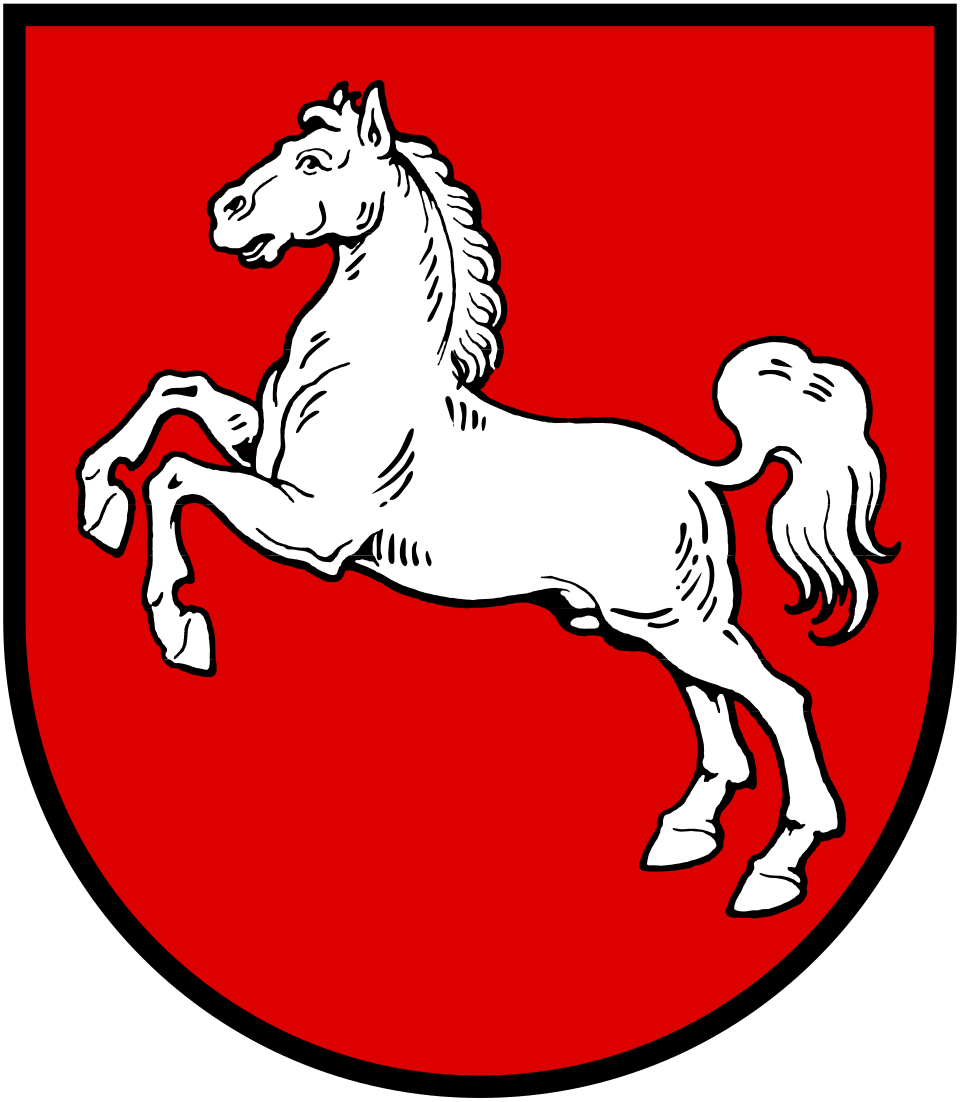
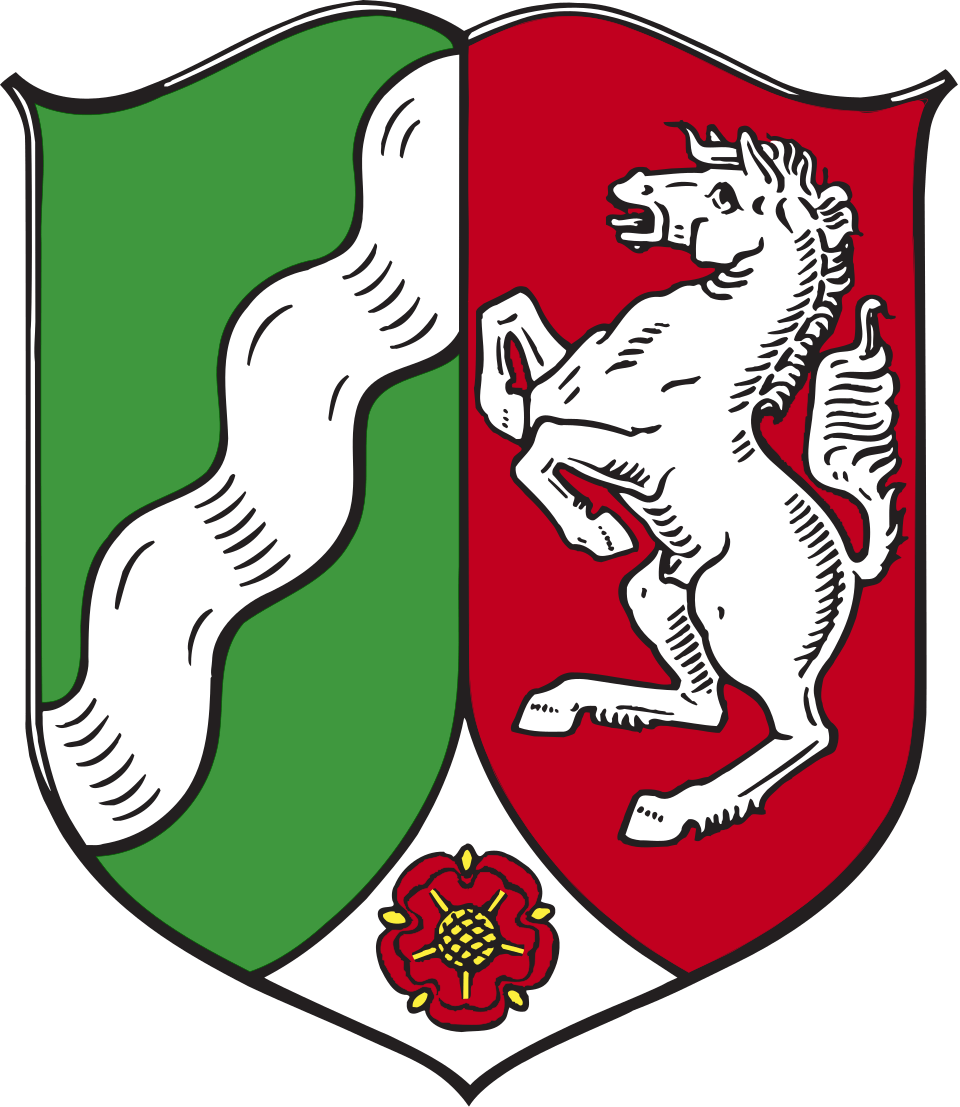
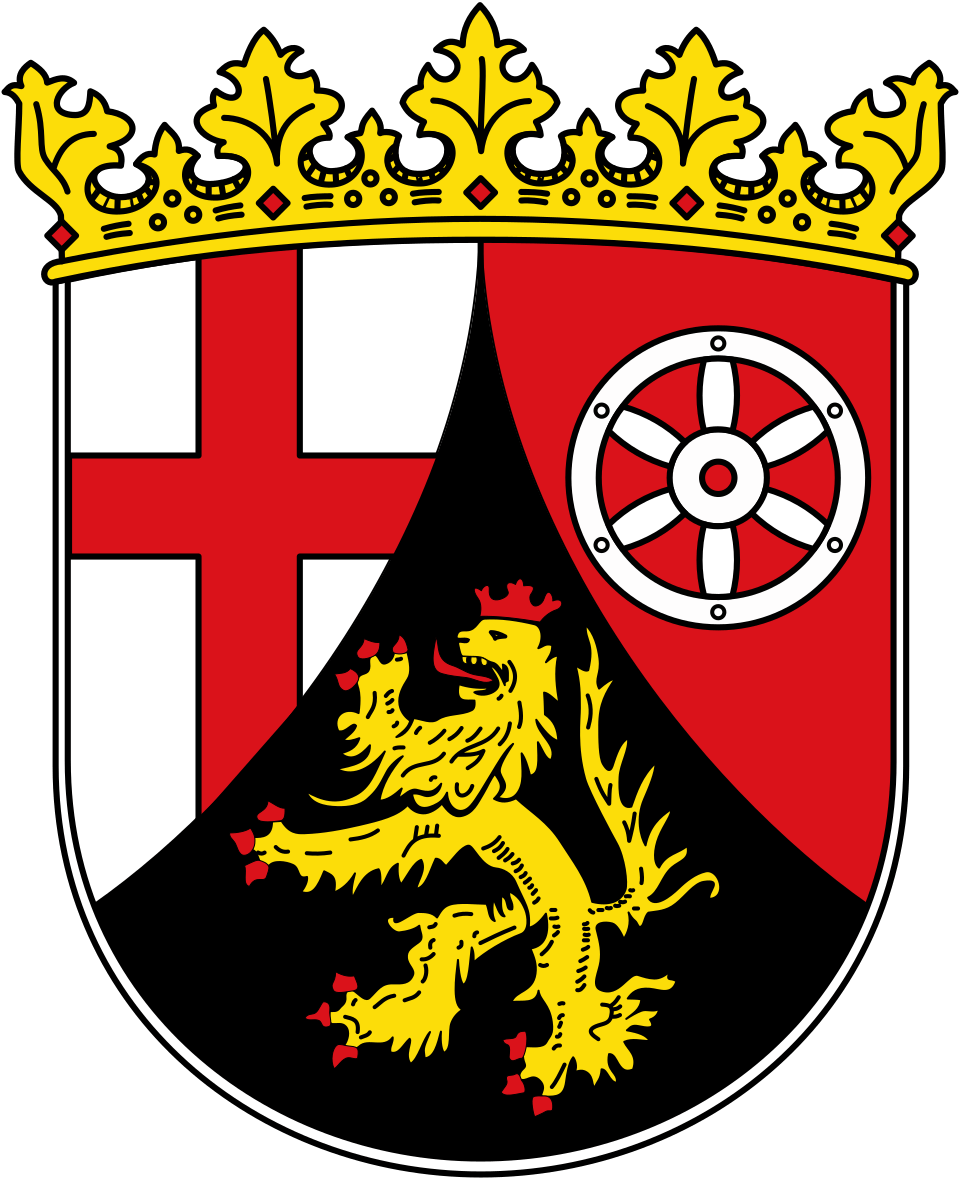
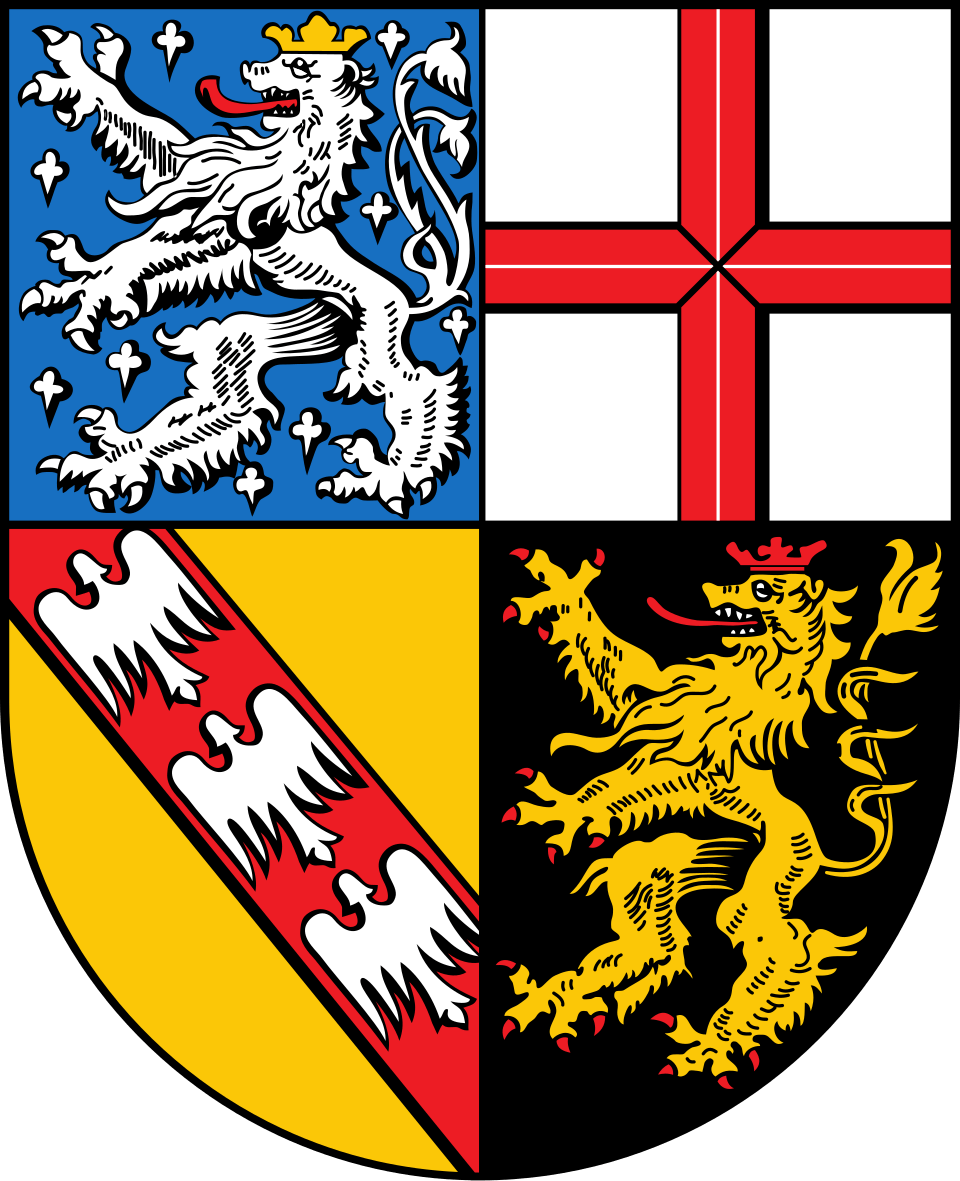
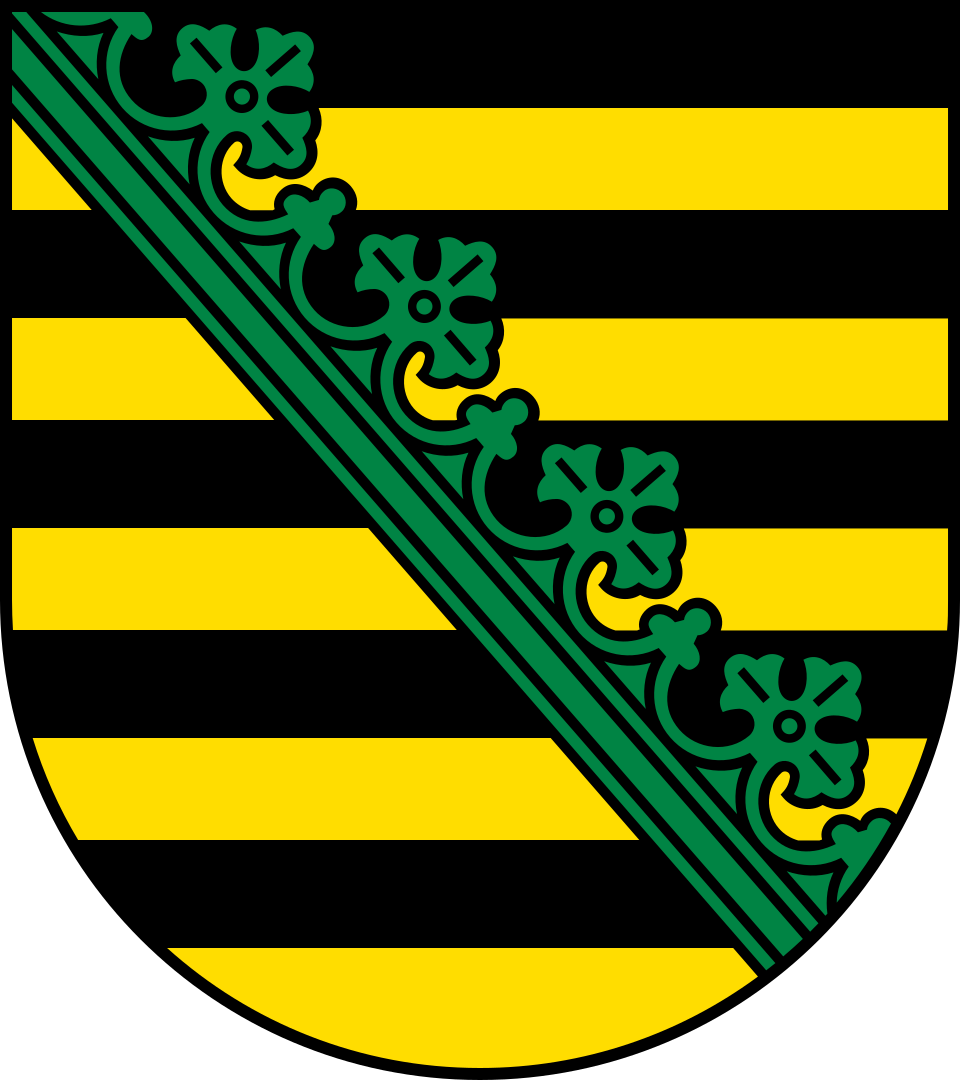
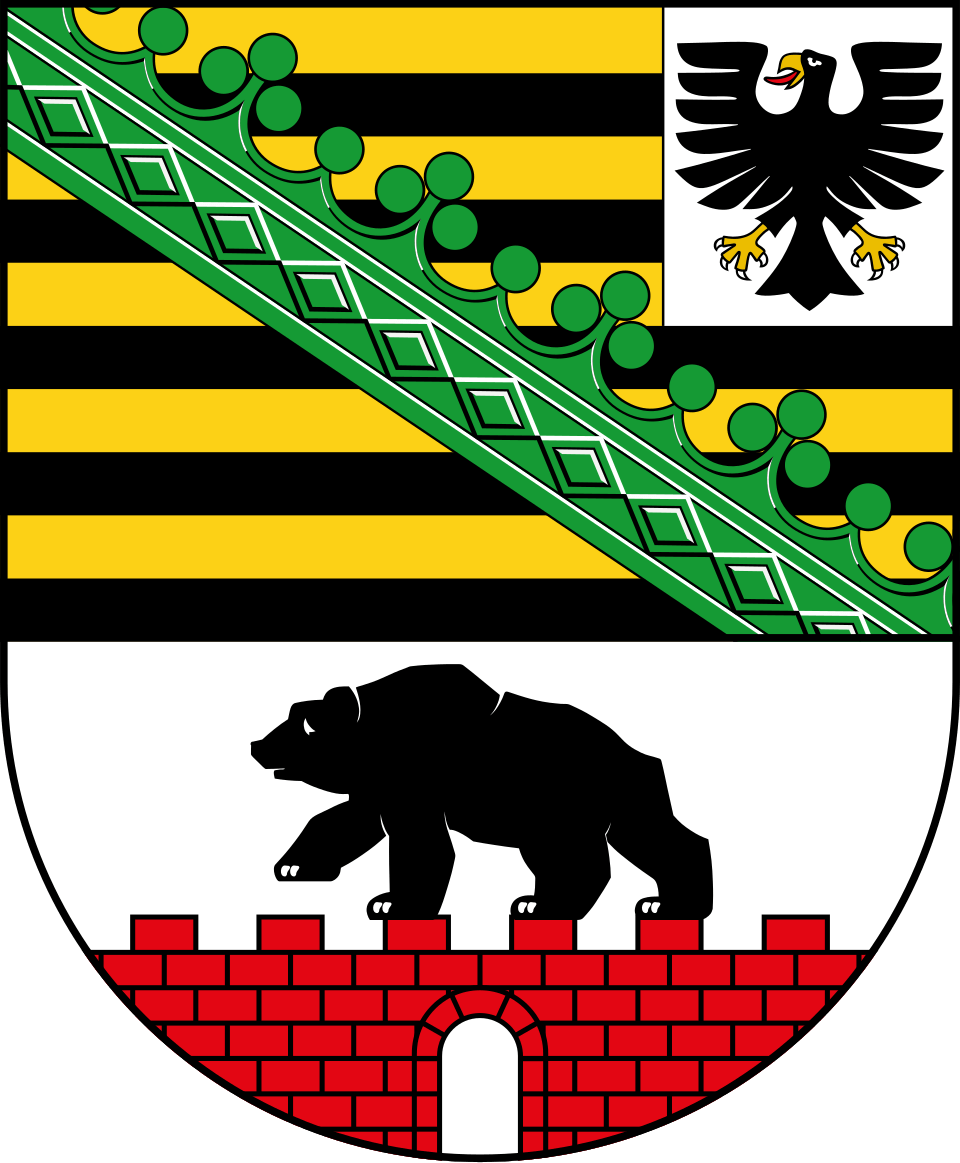
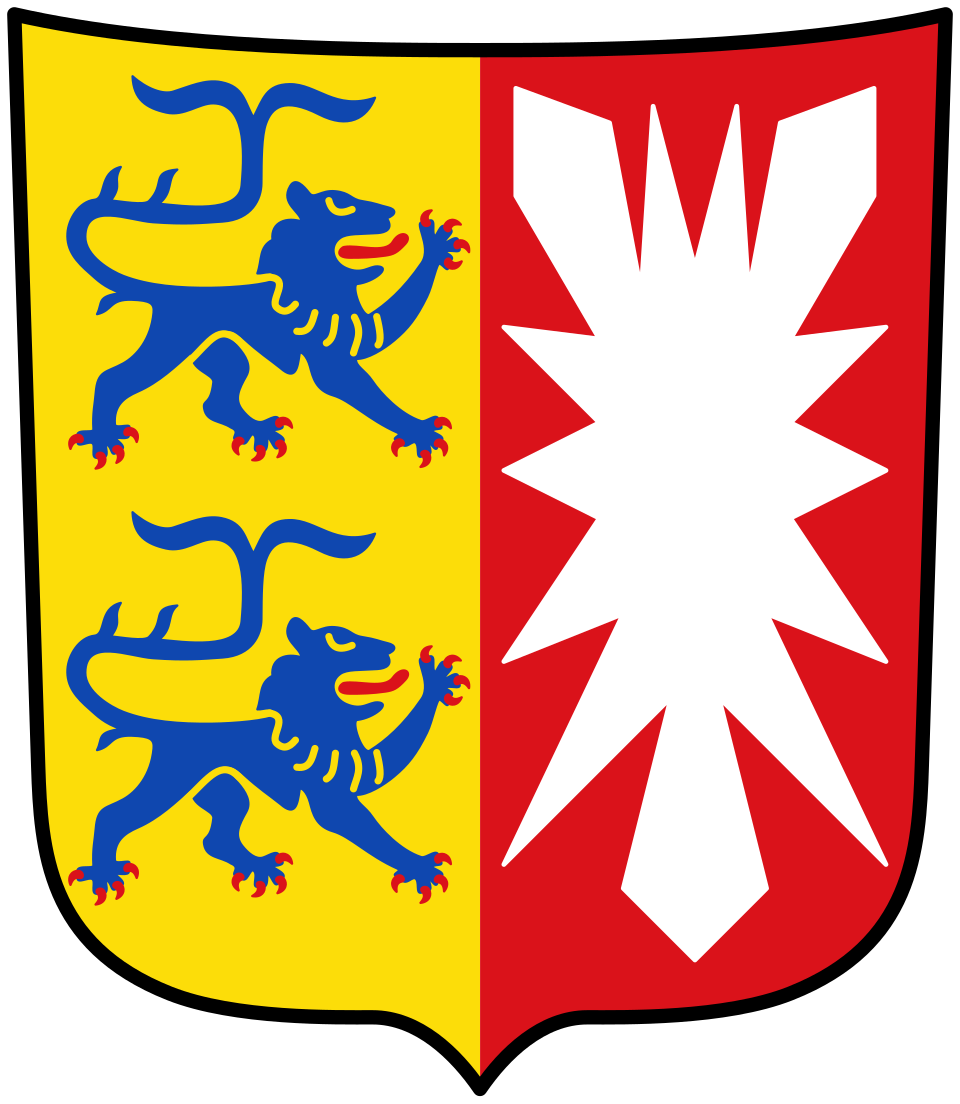
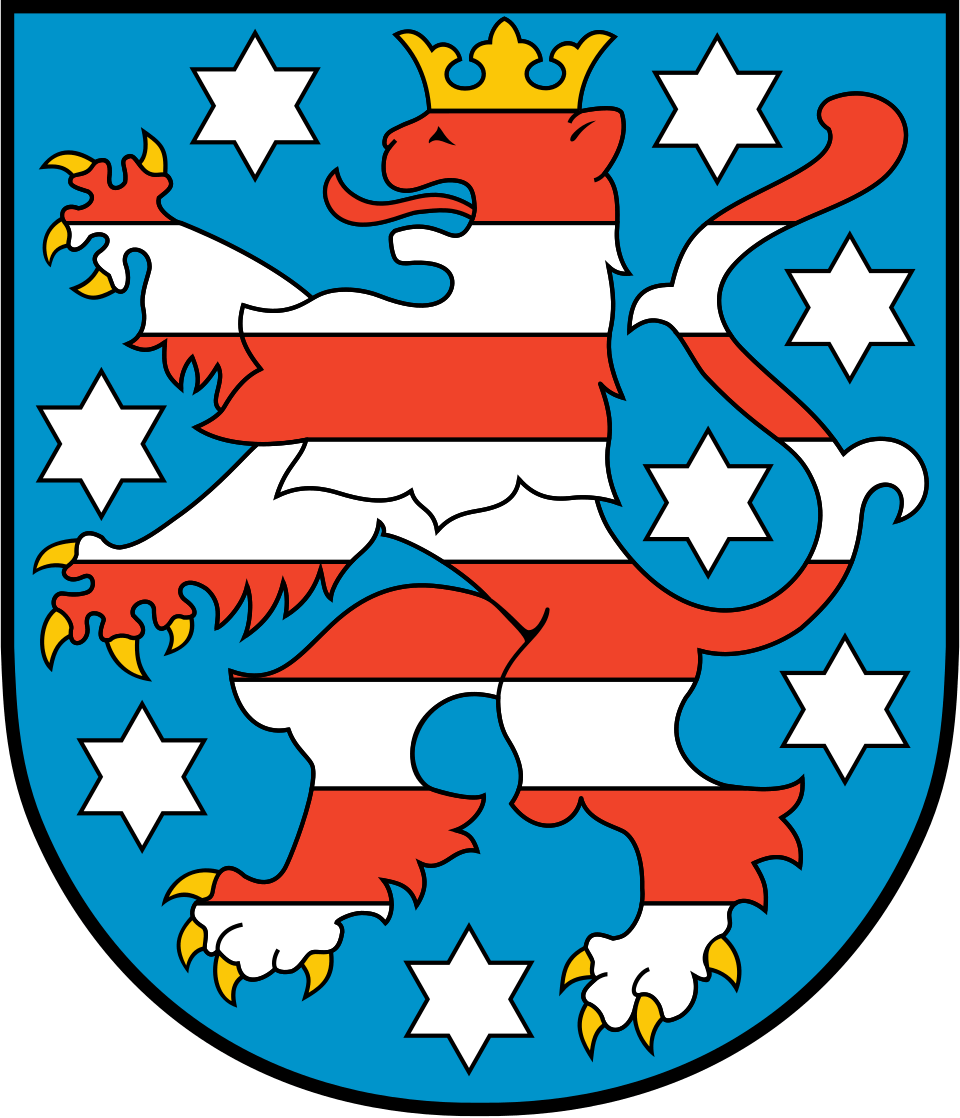
The Länder bear their own arms and flags, often with medieval roots. The white and blue lozenges of Bavaria were the arms of the Counts of Bogen and passed to the Wittelsbachs when that line died out in 1242. The three black lions on gold of Baden-Württemberg are those of the Hohenstaufen, the last Dukes of Swabia. Bremen bears a silver key on red.
Here are the 16 Länder, each with its own page.
The colours come from the Wars of Liberation against Napoleon: in 1813 the Lützow Free Corps wore black uniforms with red facings and gold buttons. The Urburschenschaft took them up in 1815, at the Hambach Festival of 1832 they became the sign of the movement for unity and freedom, and on 9 March 1848 the Federal Assembly of the German Confederation adopted them as the national colours.
The Weimar Republic made black, red and gold the colours of the Reich in 1919, until the Nazis abolished them in 1933. Since 23 May 1949, Article 22 of the Basic Law has stated that the federal flag is black, red and gold. Since reunification in 1990 it has flown over the whole of Germany.
These were the colours of the North German Confederation of 1867 and of the Empire: black and white for Prussia, red and white for the Hanseatic cities. The Weimar Republic kept them for the merchant flag, and from 1933 to 1935 the black-white-red flag was once again the national flag.
The Bundeswappen shows the black eagle on a golden-yellow shield. The Bundesadler is the same eagle without the shield; according to the 1950 description, the tips of its feathers then point outwards.
Karl-Tobias Schwab designed it in 1926 for the arms of the Weimar Republic, in use from 1928. The Federal Republic adopted these arms unchanged on 20 January 1950. The Republic’s first eagle, from 1919 to 1928, was by Emil Doepler.
It is the nickname of the federal eagle that Ludwig Gies made in 1953 as a wall relief for the plenary hall of the Bundestag in Bonn, the “Fette Henne” in German. It owes the name to its plump shape.
It showed a hammer and a compass on red within a wreath of wheat bound with a black-red-gold ribbon: the hammer stood for the working class, the compass for the intelligentsia, the wreath for the farmers. It was introduced by the law of 26 September 1955 and added to the East German flag in 1959.
Illustrations: Wikimedia Commons. Arms of 1919 © David Liuzzo (CC BY-SA 3.0); all other images in the public domain.
Last reviewed by the Emblema Mundi editorial team on 3 October 2026.